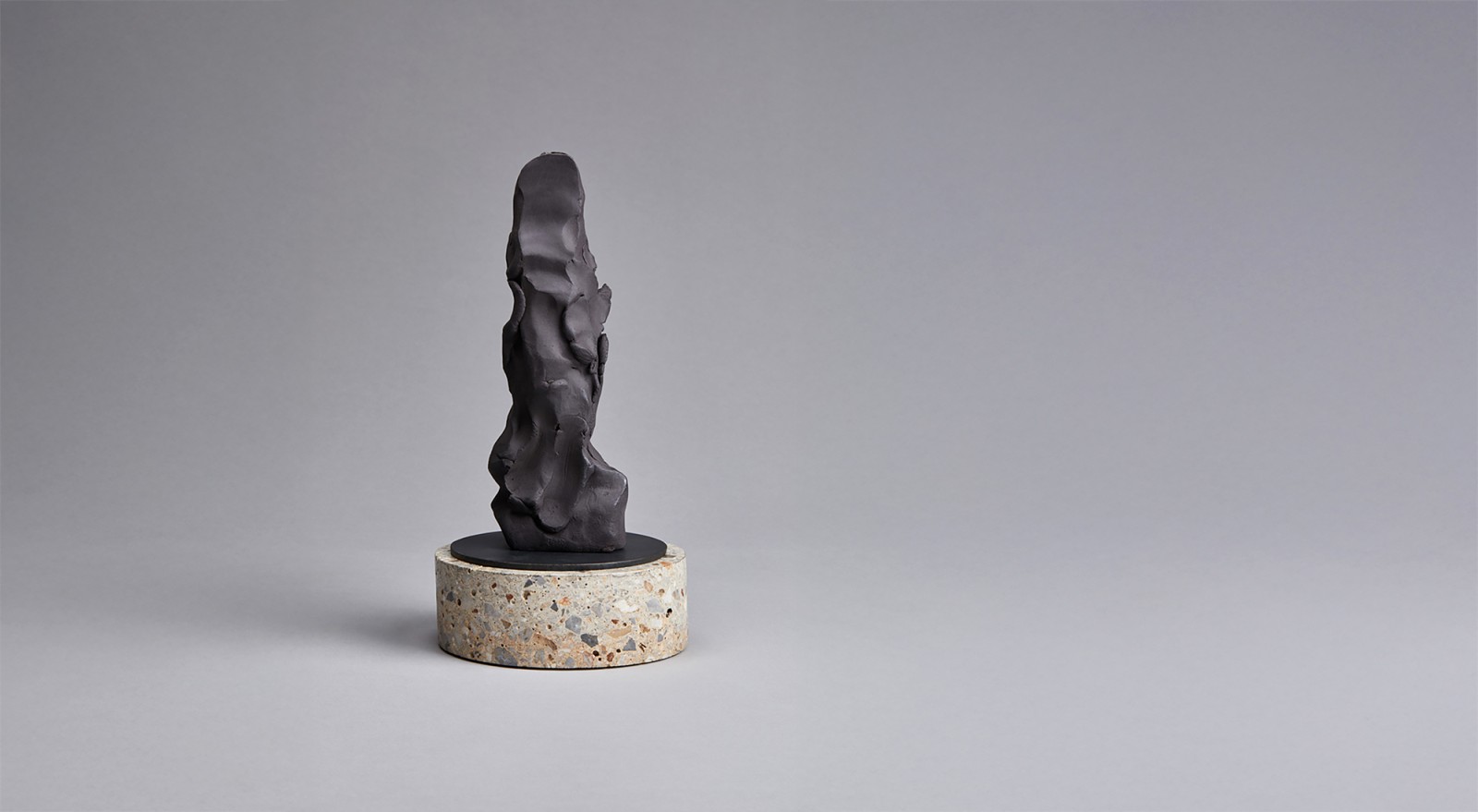
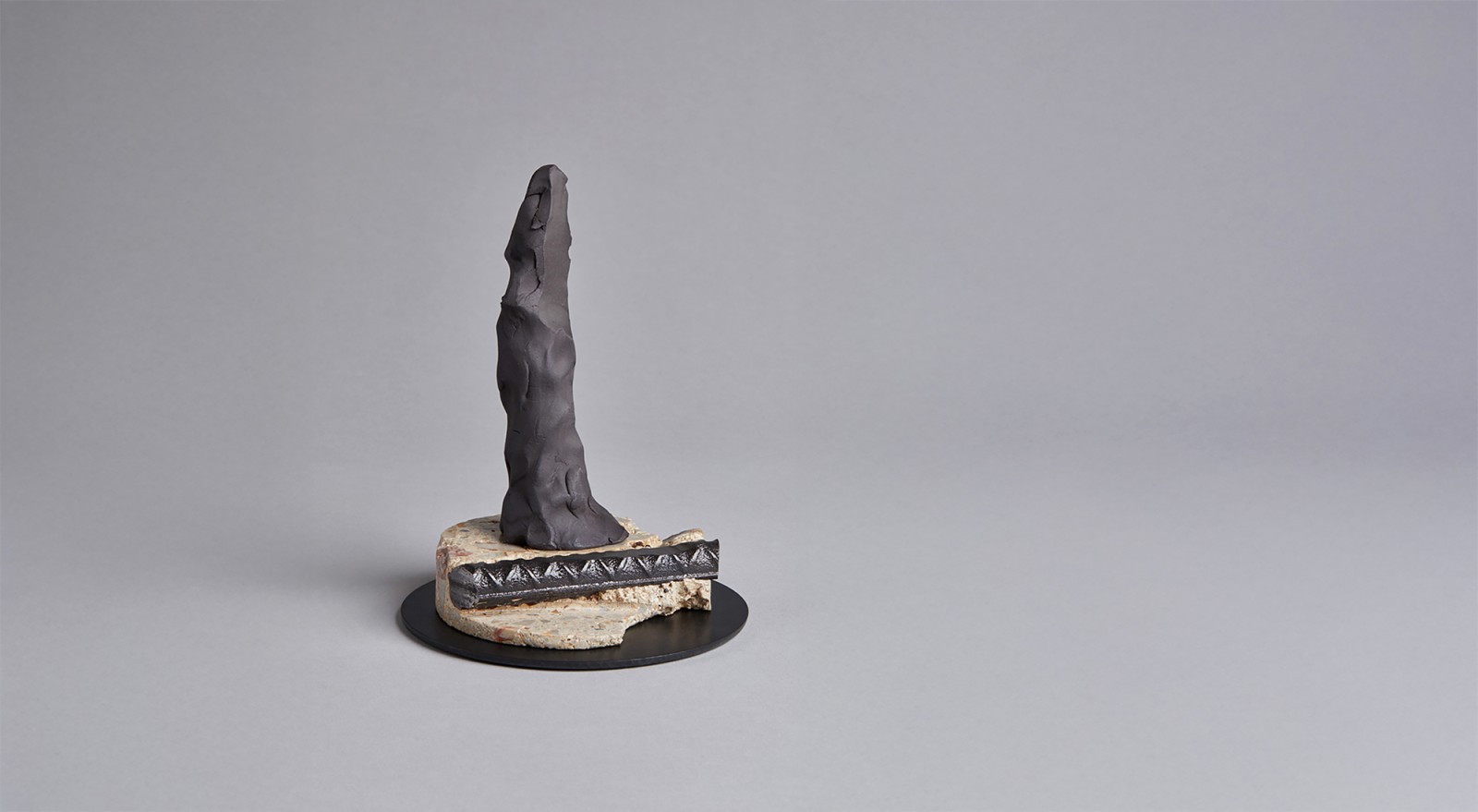
Psychopomps 2022
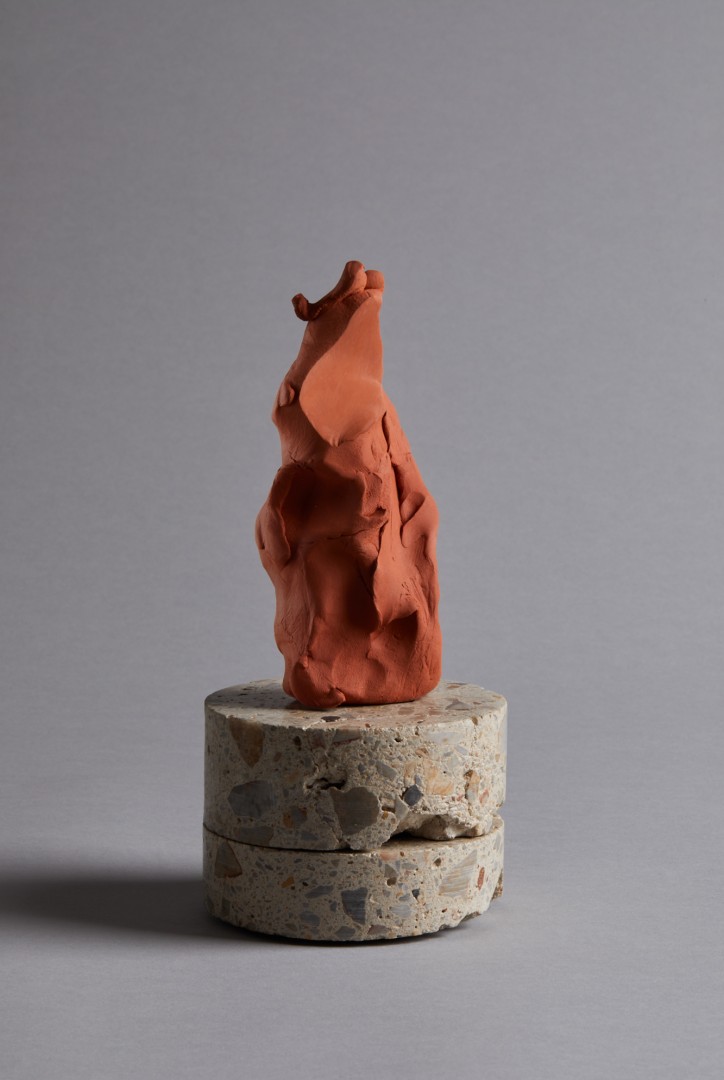
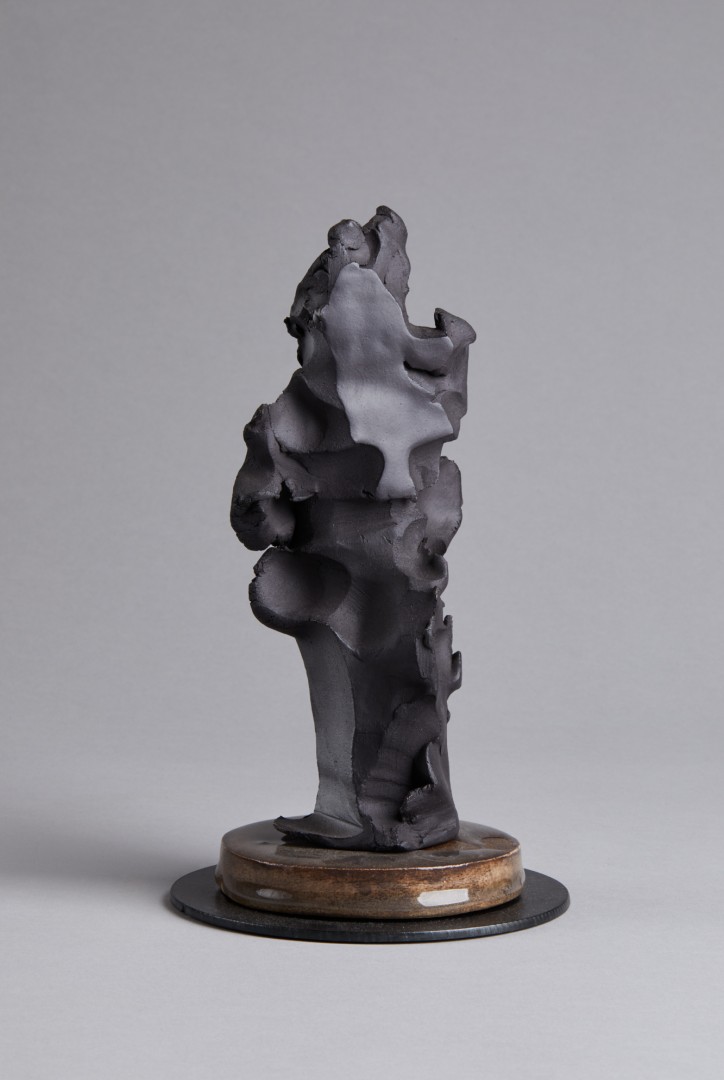
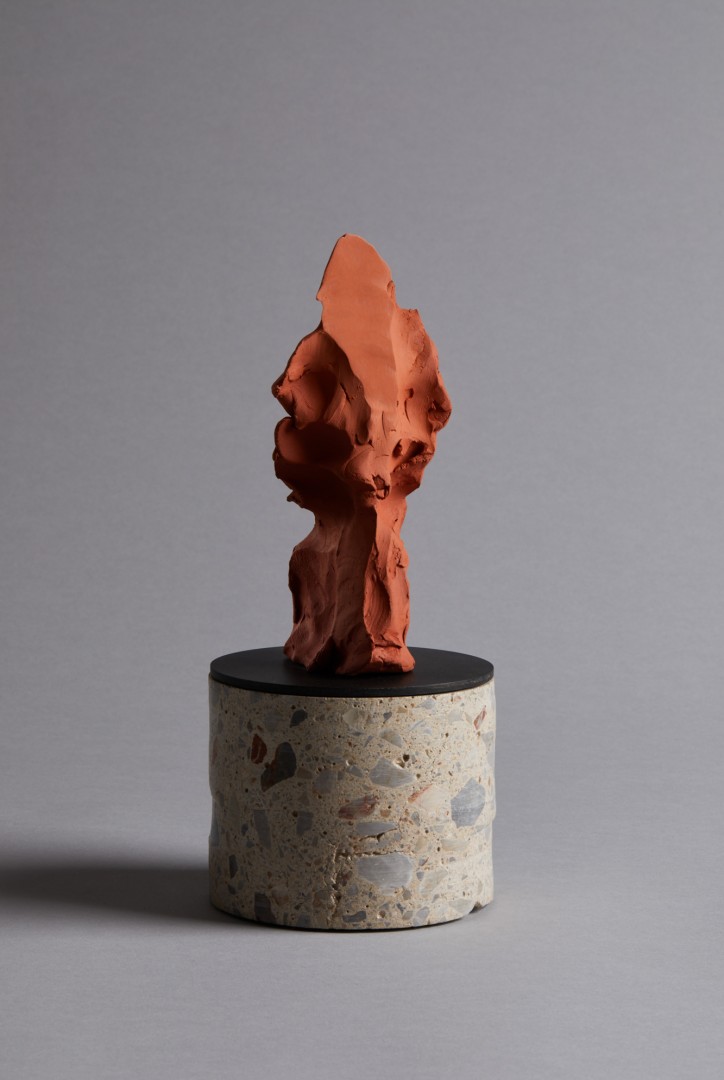
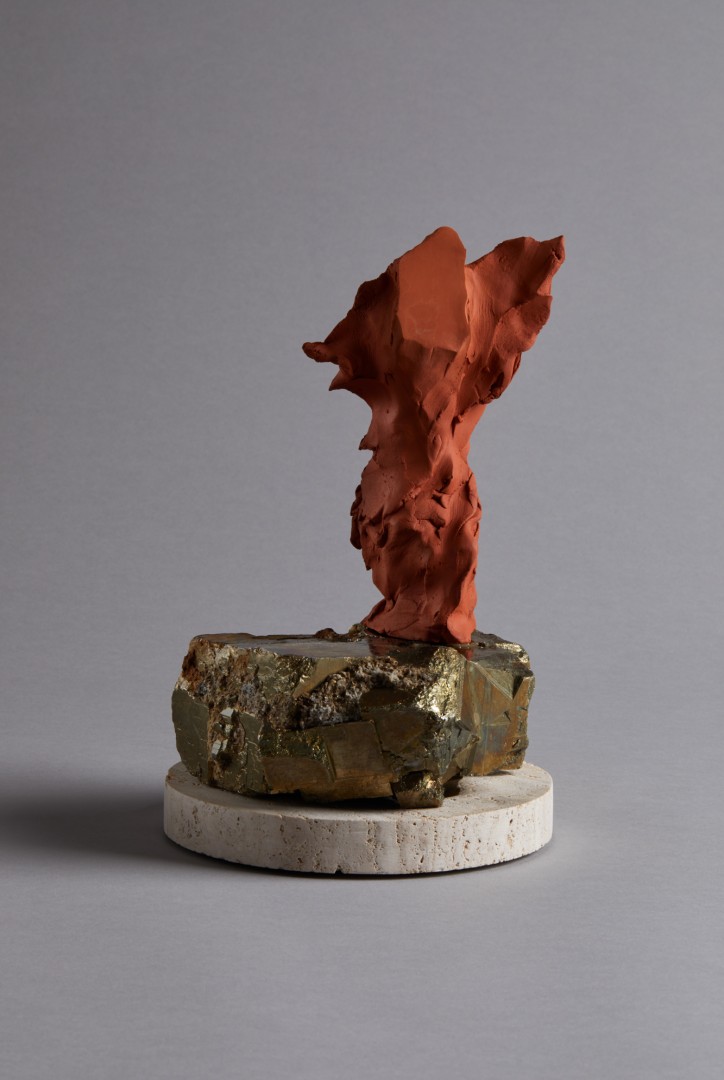
Figures (variously) - burnished, glazed, unglazed stoneware
Bases (variously) - marble concrete, steel, marble, stoneware, antique architectural fragments, onyx, alabaster, travertine, pyrite
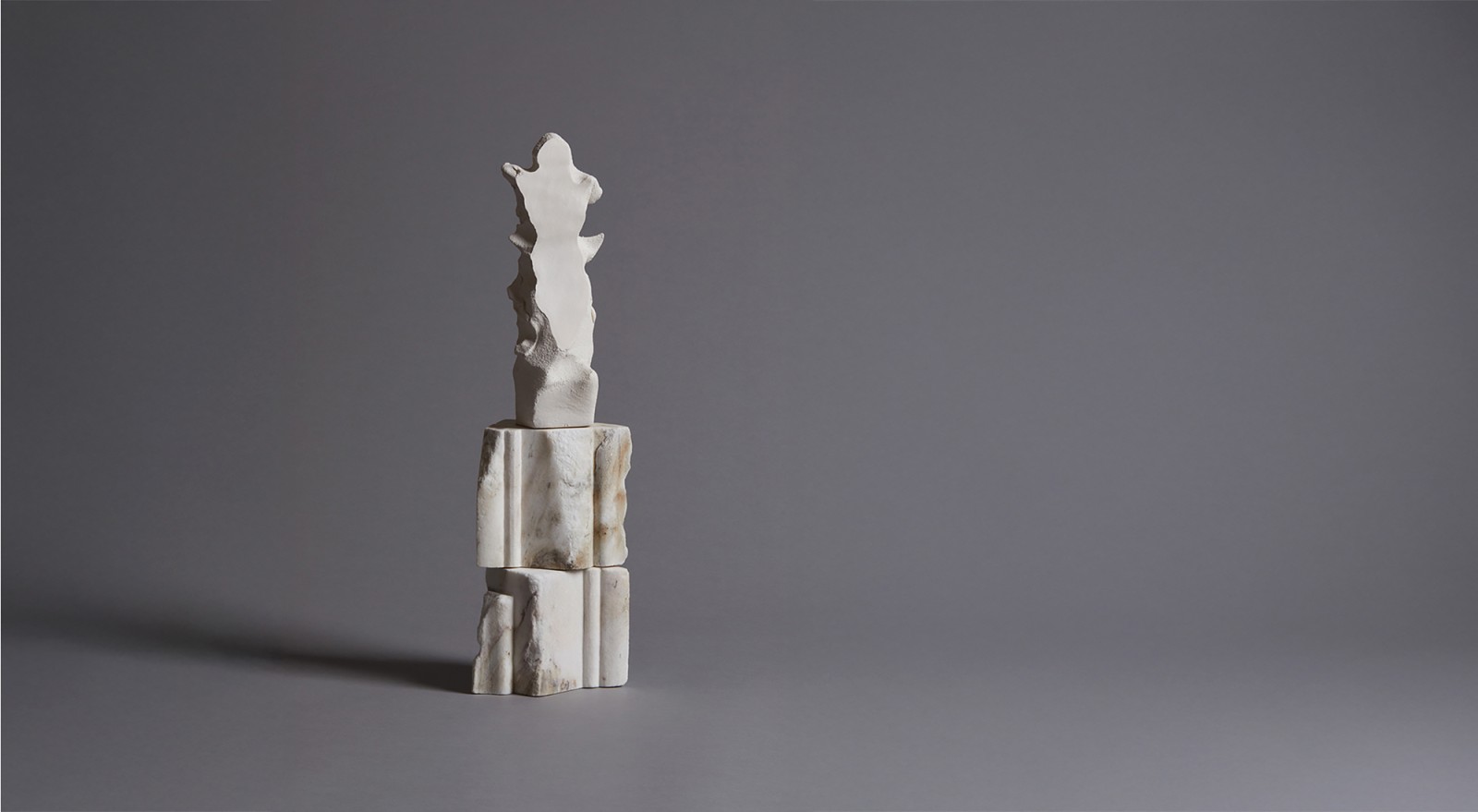
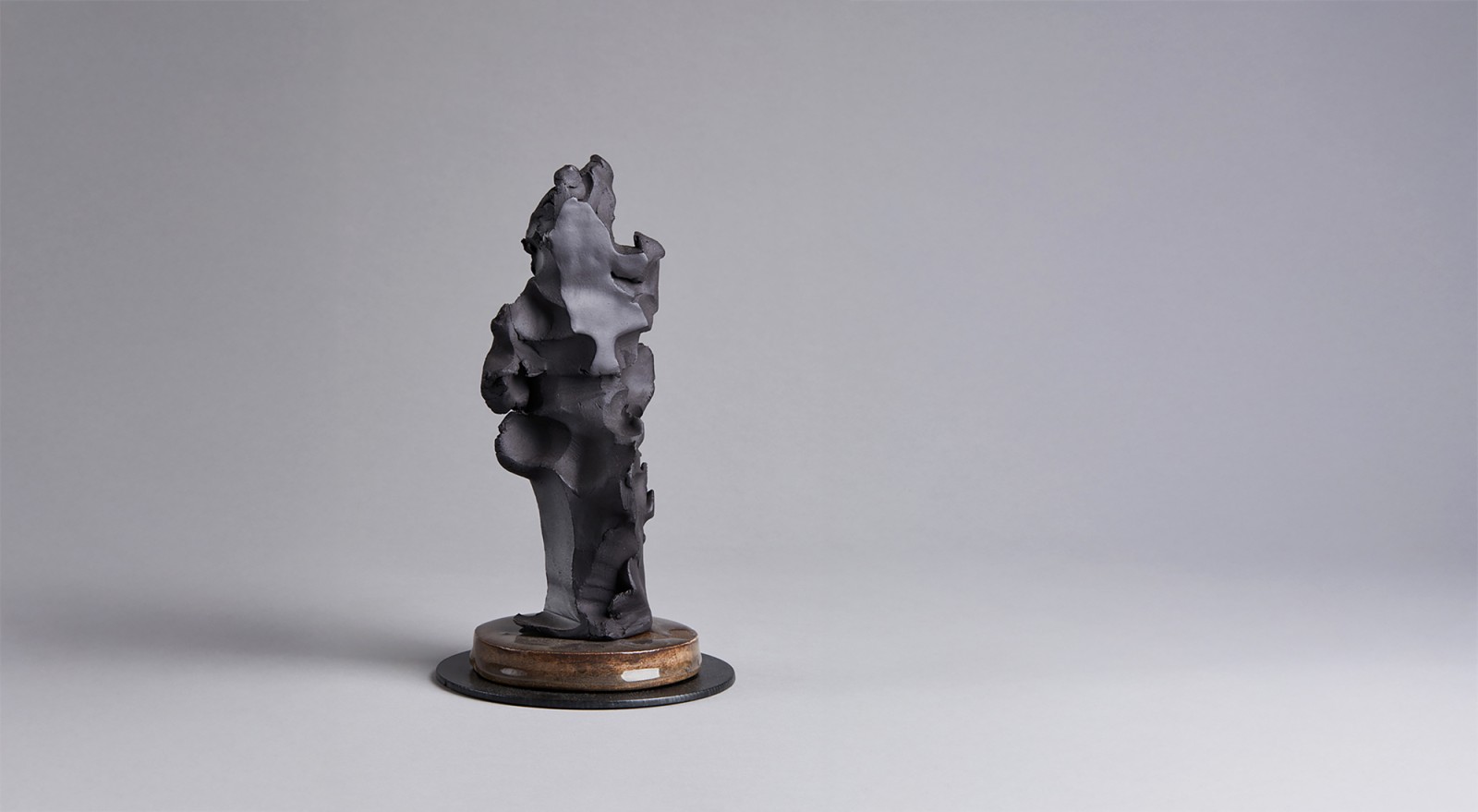
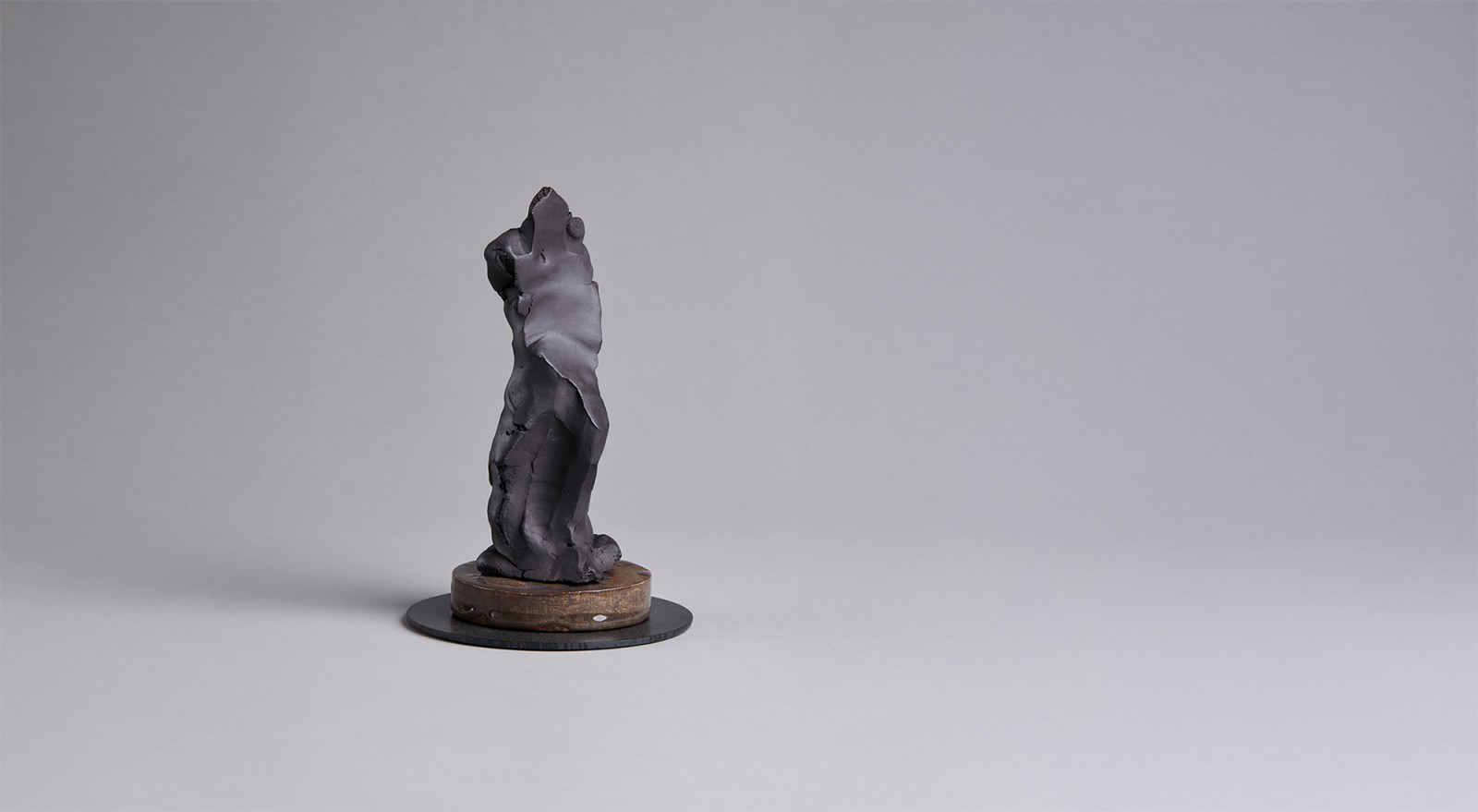
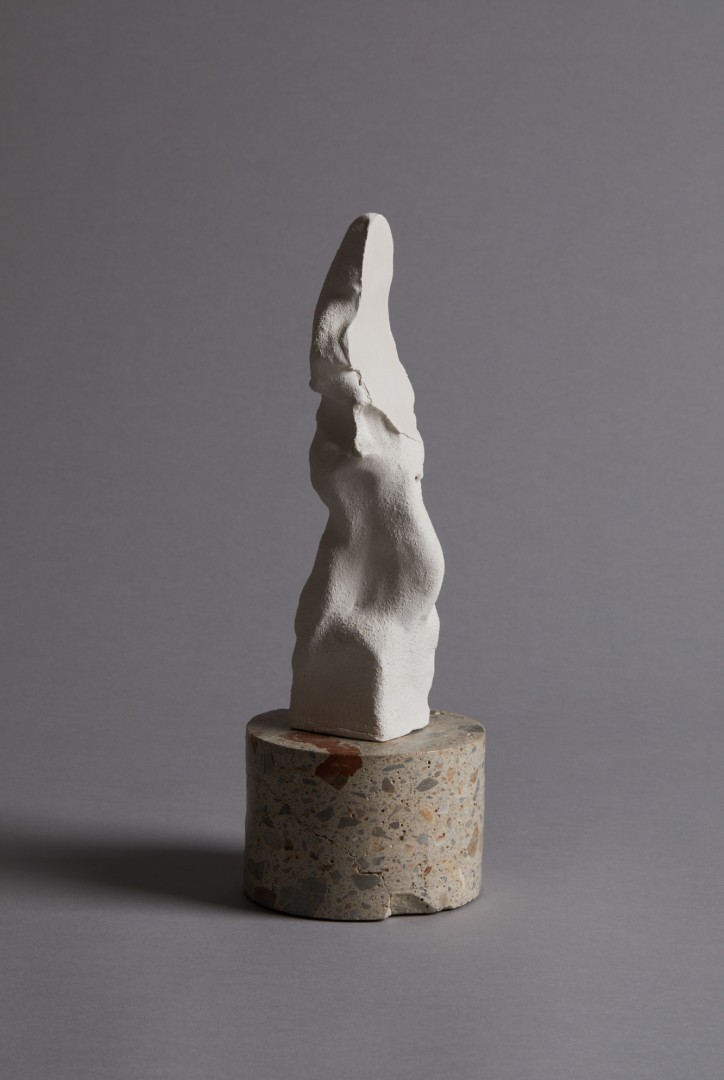
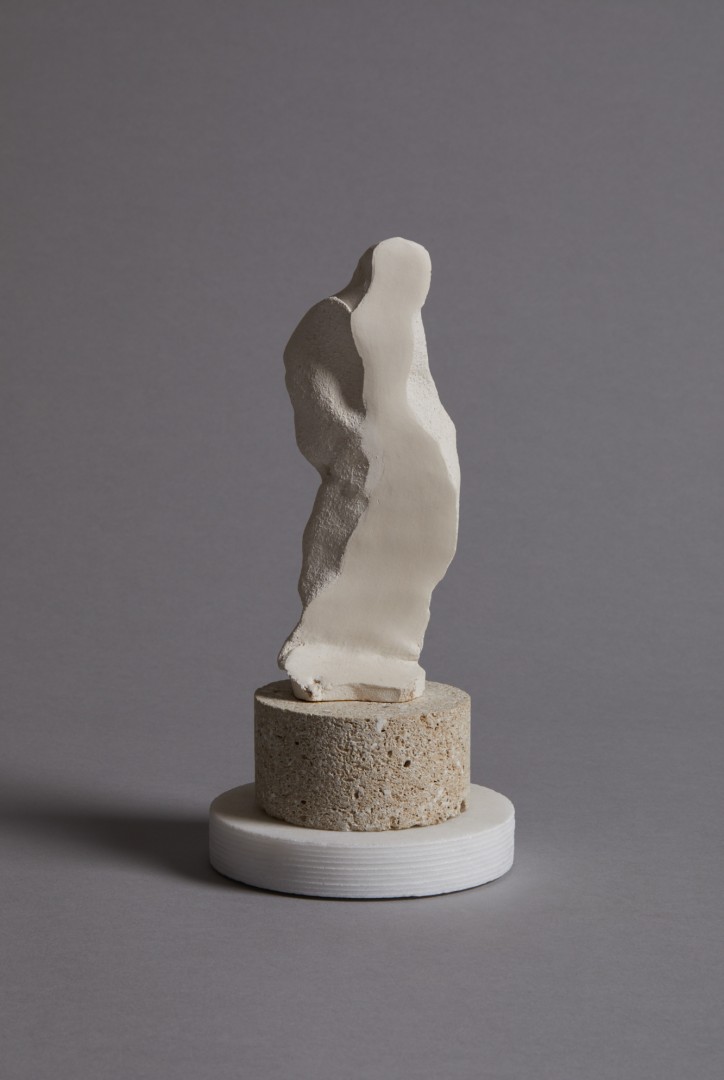
1: Psychopomp 05S22
selectively burnished stoneware, 19th century marble architectural fragment 40.5 x 18 x 14 cm
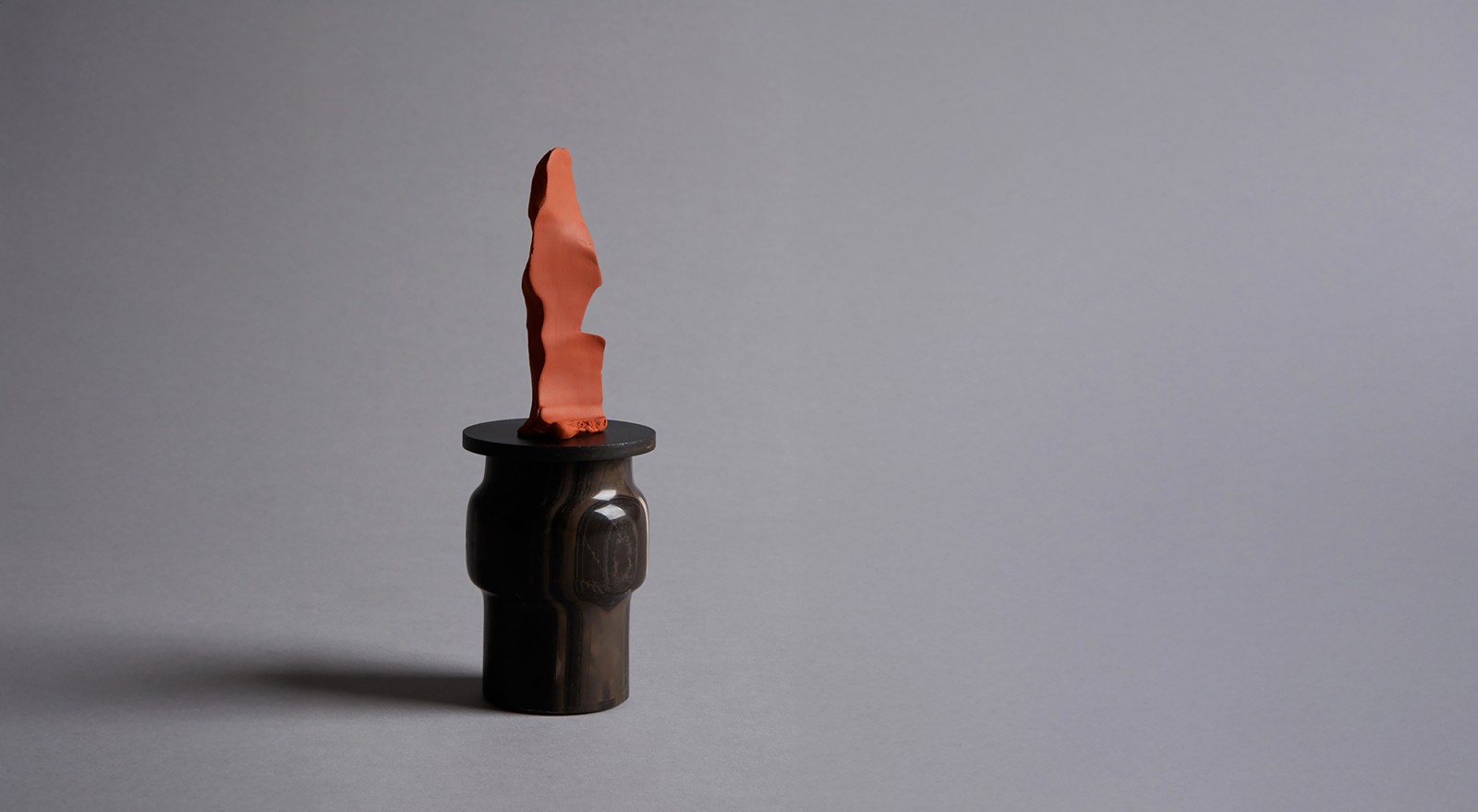
2: Psychopomp 06S22
selectively burnished terracotta, blackened steel, onyx 11. x 4.8 x 4.8 cm
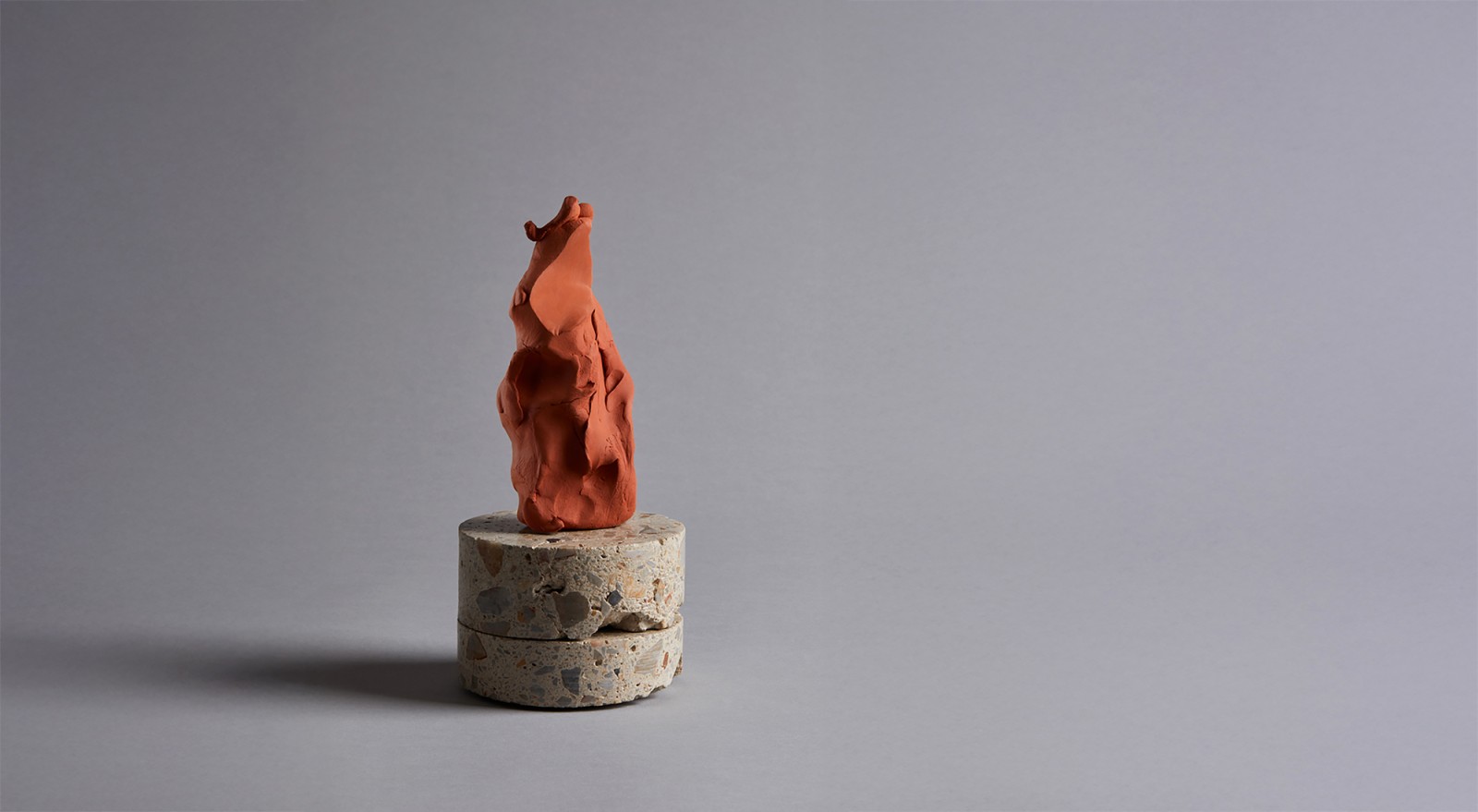
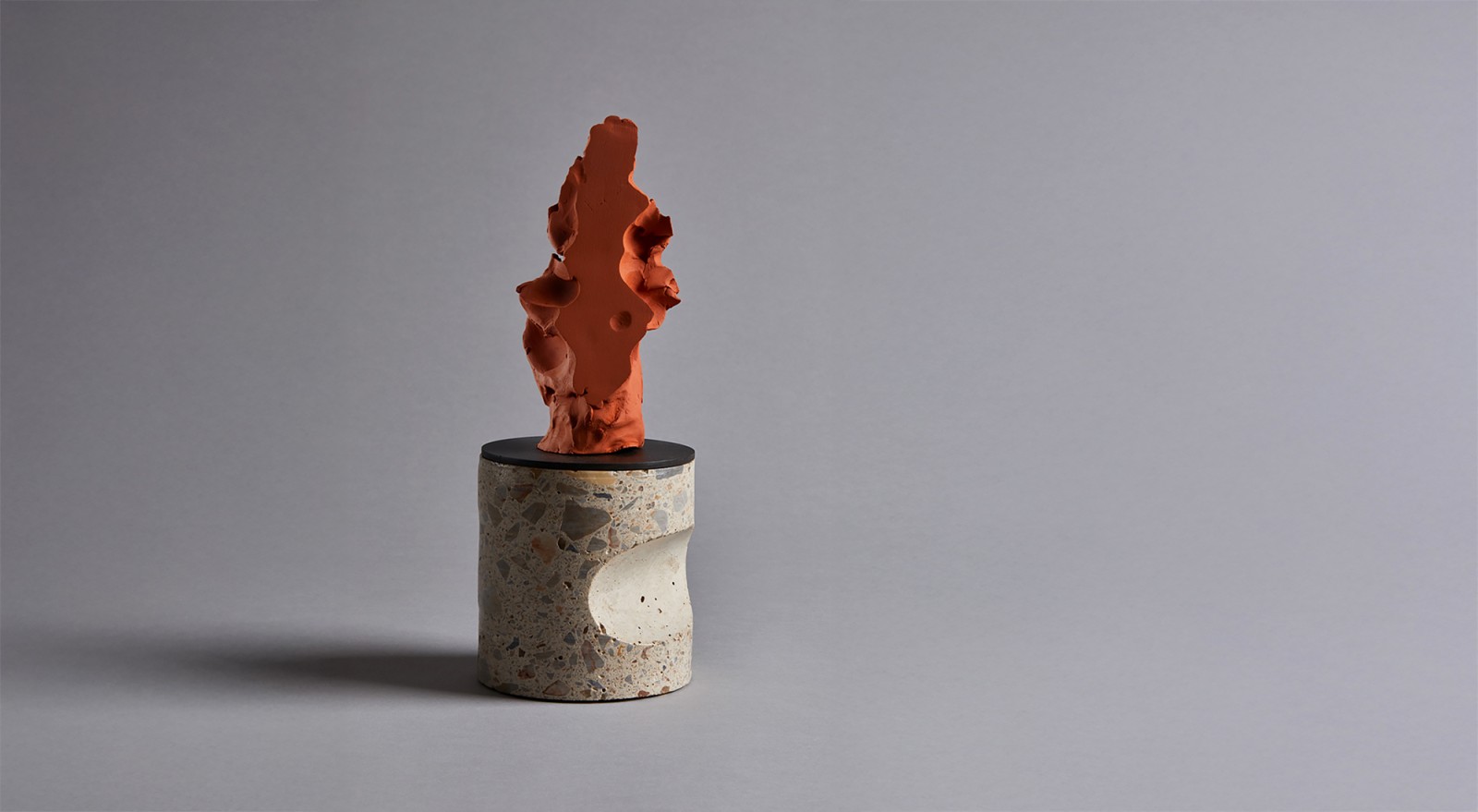
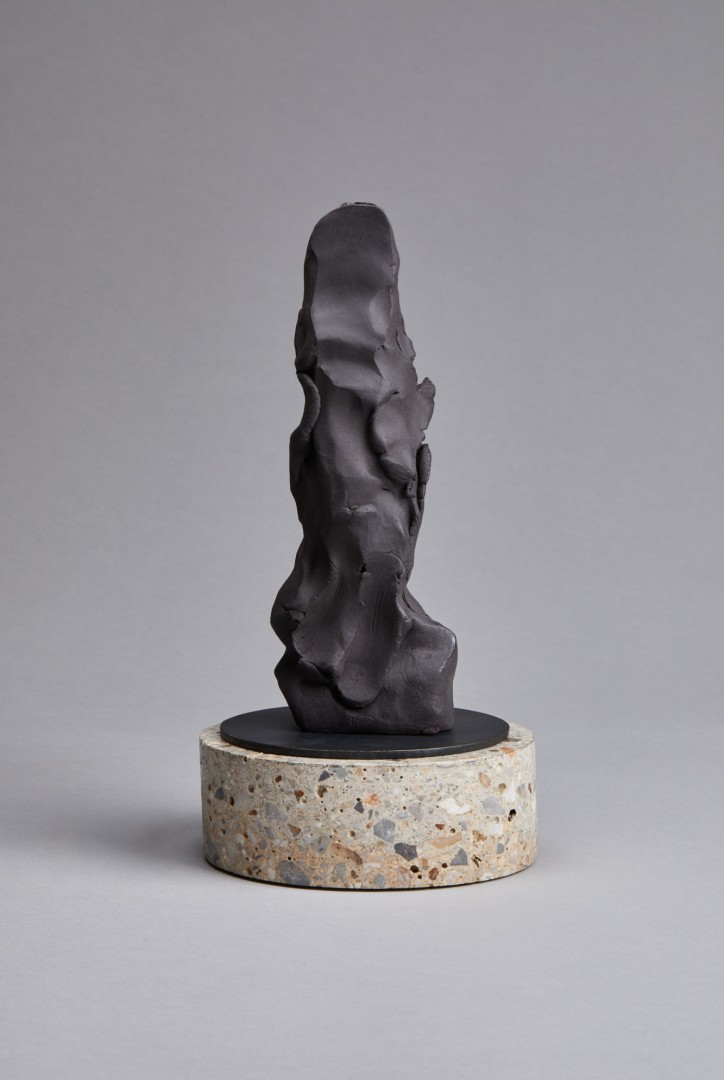
3: Psychopomp 07S22
selectively burnished terracotta, marble aggregate concrete 23 x 10.5 x 10.5 cm
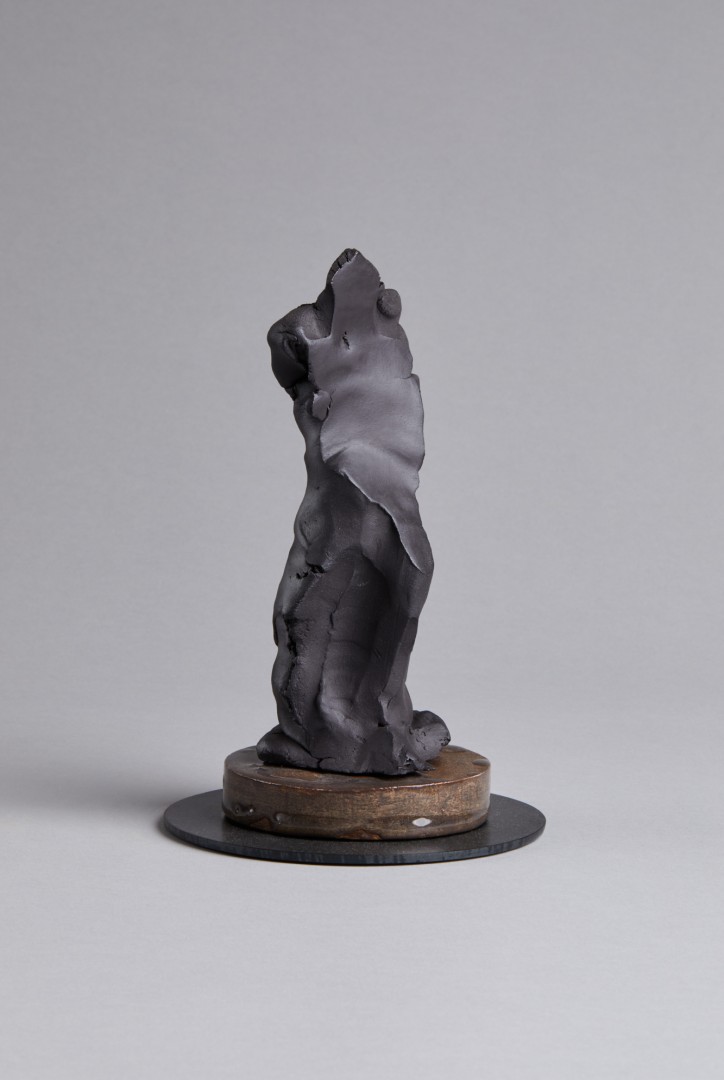
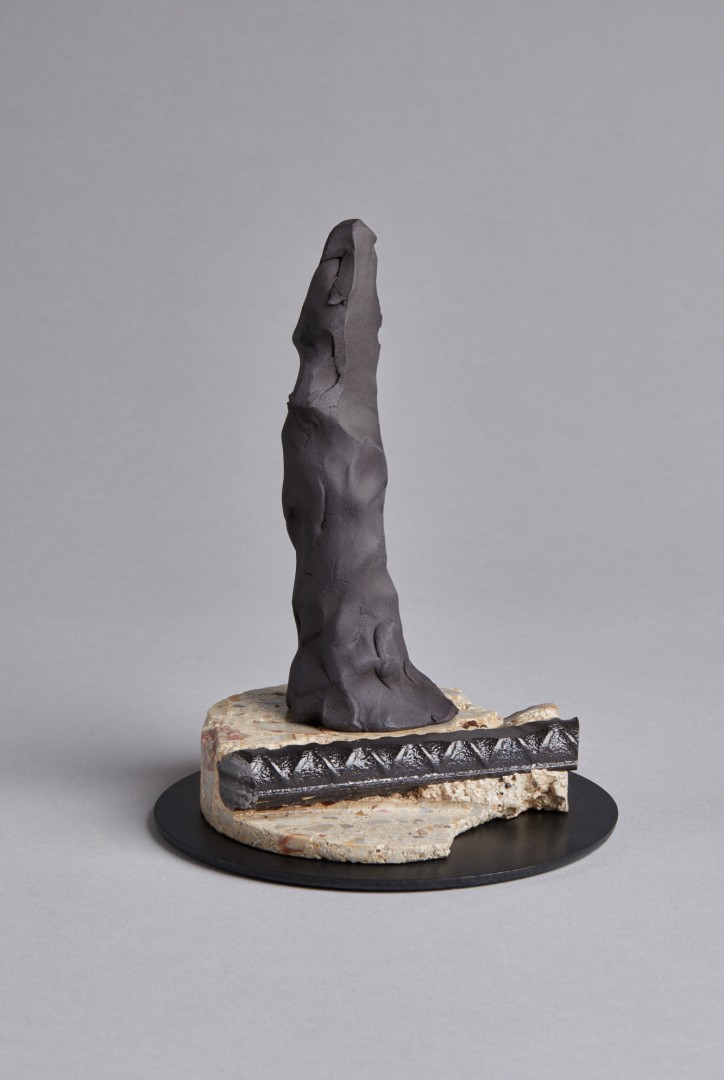
4: Psychopomp 08S22
selectively burnished stoneware, glazed stoneware, blackened steel 22.5 x 13 x 13 cm
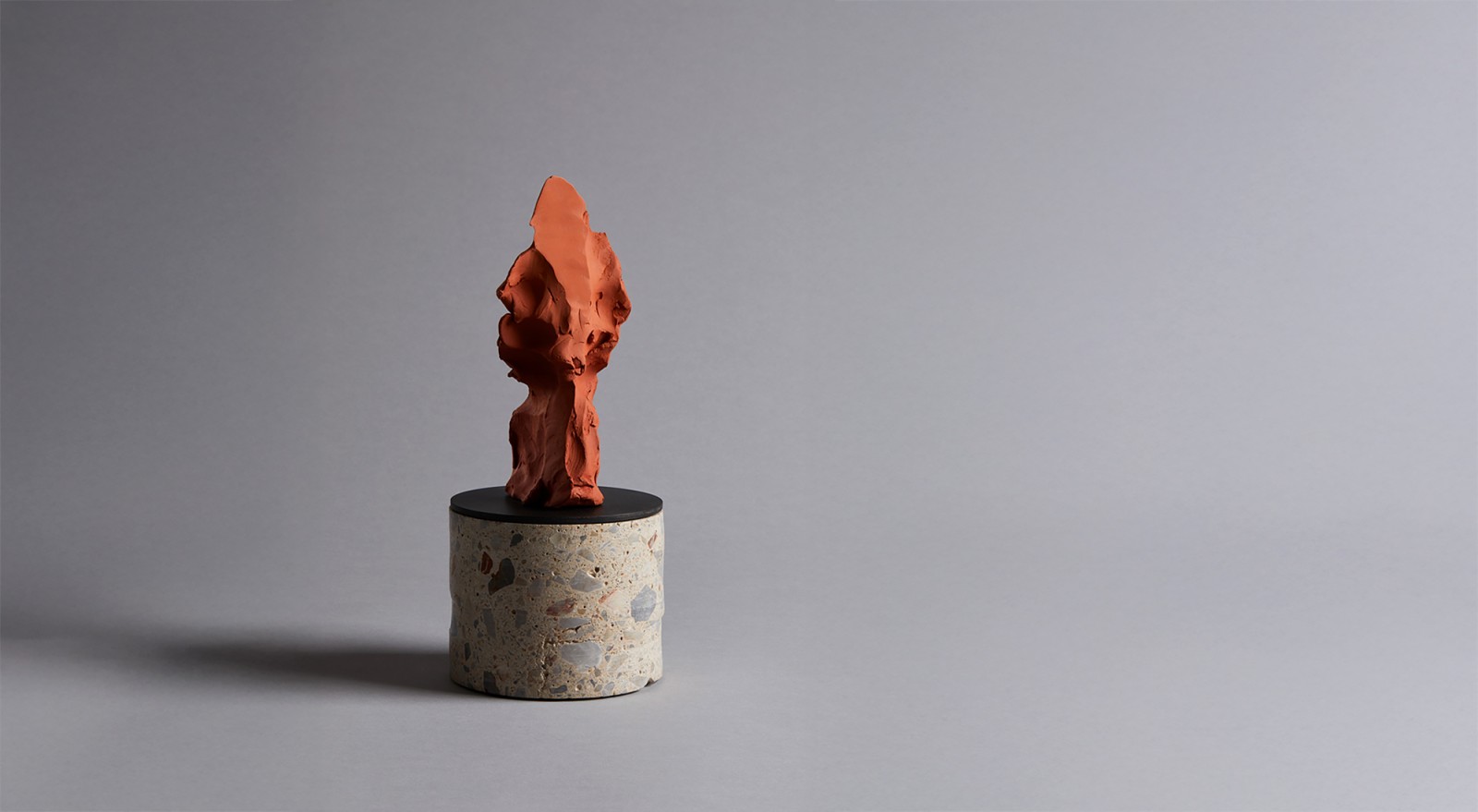
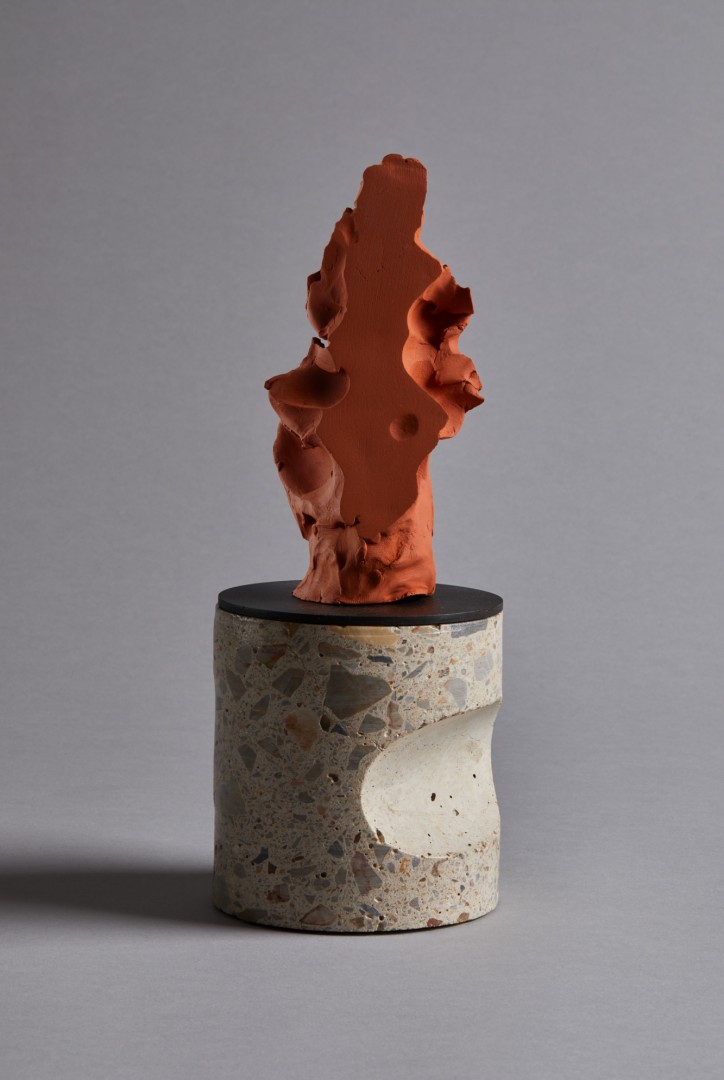
5: Psychopomp 09S22
selectively burnished terracotta, blackened steel, marble aggregate concrete 24.5 x 10.5 x 10.5 cm
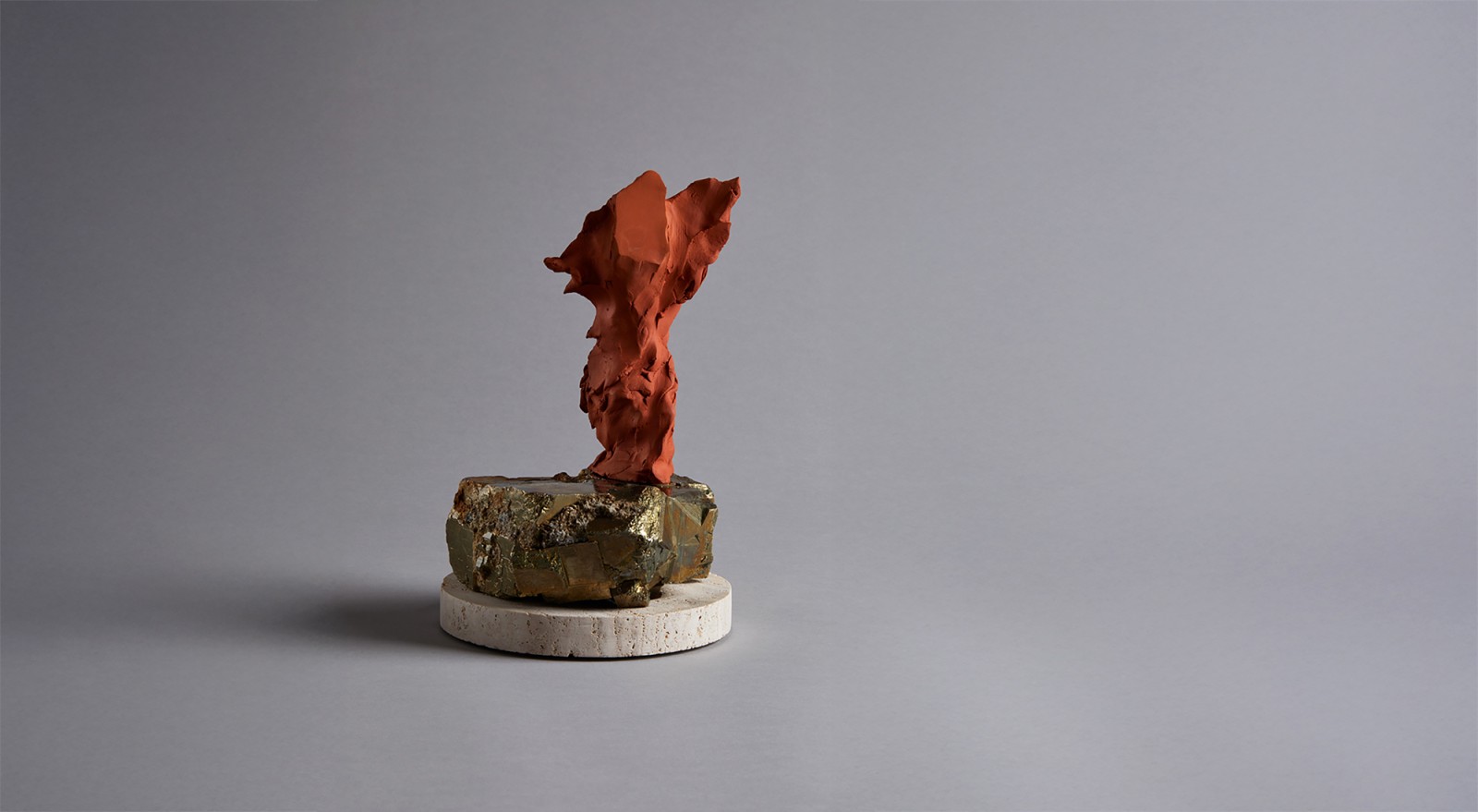
6: Psychopomp 010S22
selectively burnished terracotta, pyrite, travertine 28 x 12.5 x 12.5 cm
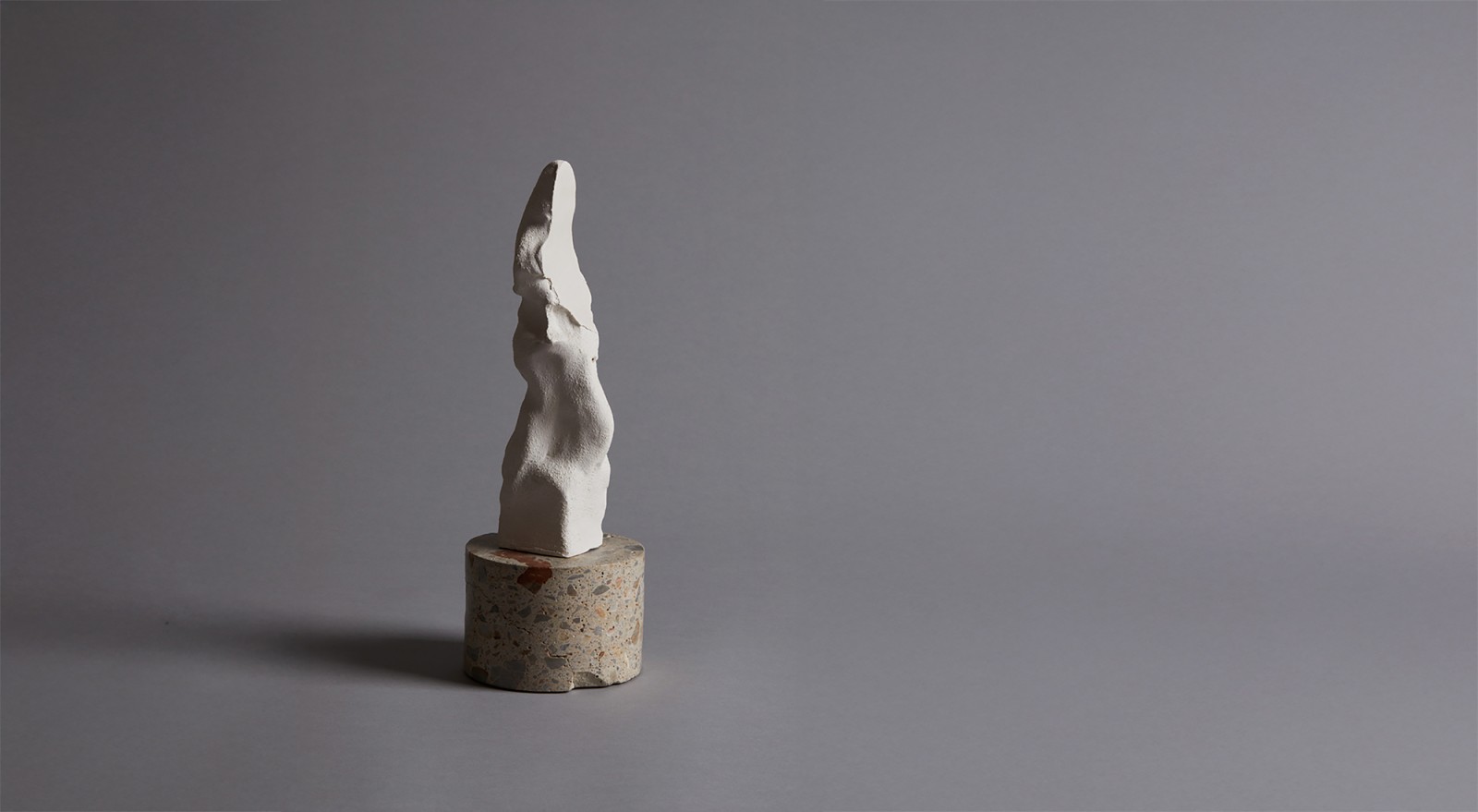
7: Psychopomp 011S22
selectively burnished stoneware, marble aggregate concrete 30.5 x 10.5 x 10.5 cm
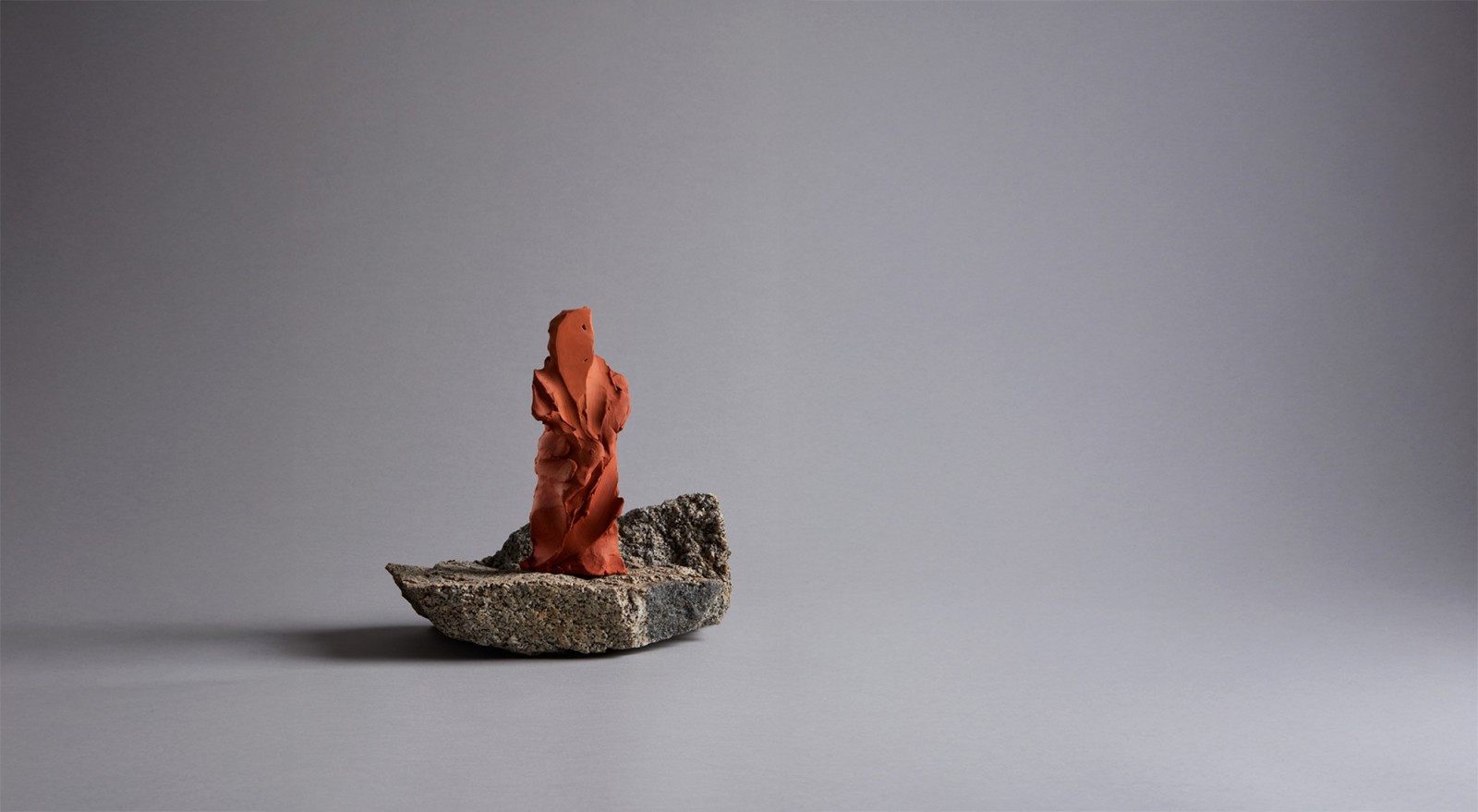
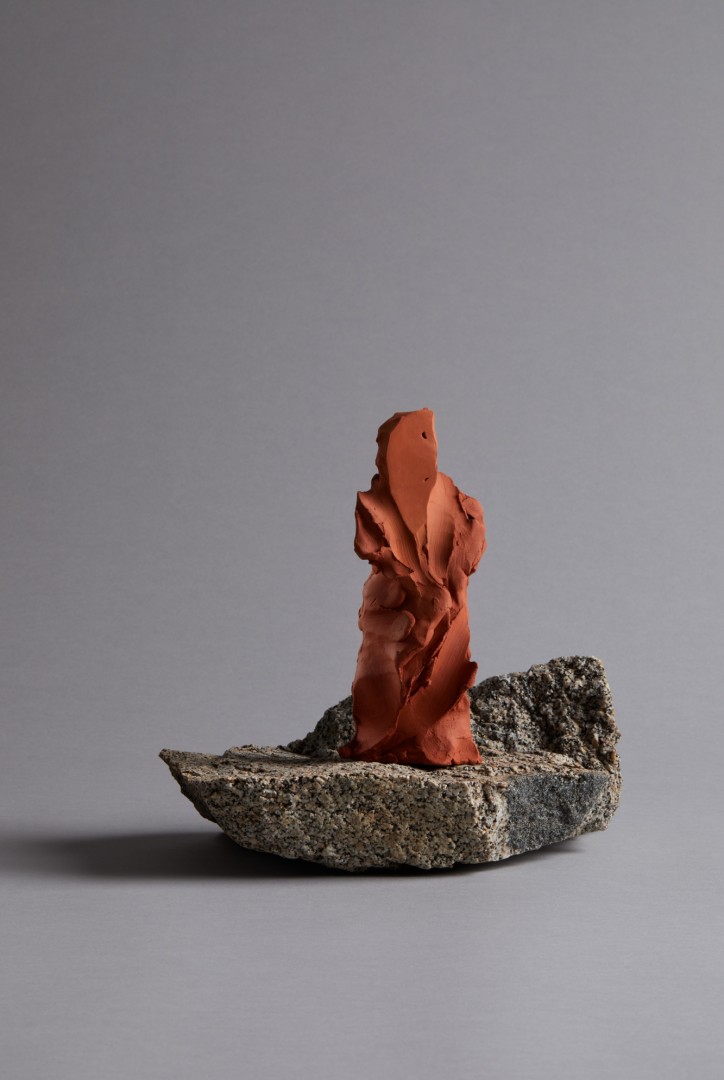
8: Psychopomp 012S22
selectively burnished terracotta, Anafi granite 25 x 25 x 20 cm
9: Psychopomp 013S22
selectively burnished stoneware, glazed stoneware, blackened steel 21.5 x 12.5 x 12.5 cm
10: Psychopomp 014S22
selectively burnished terracotta, marble aggregate concrete, blackened steel 27.5 x 10.5 x 10.5 cm
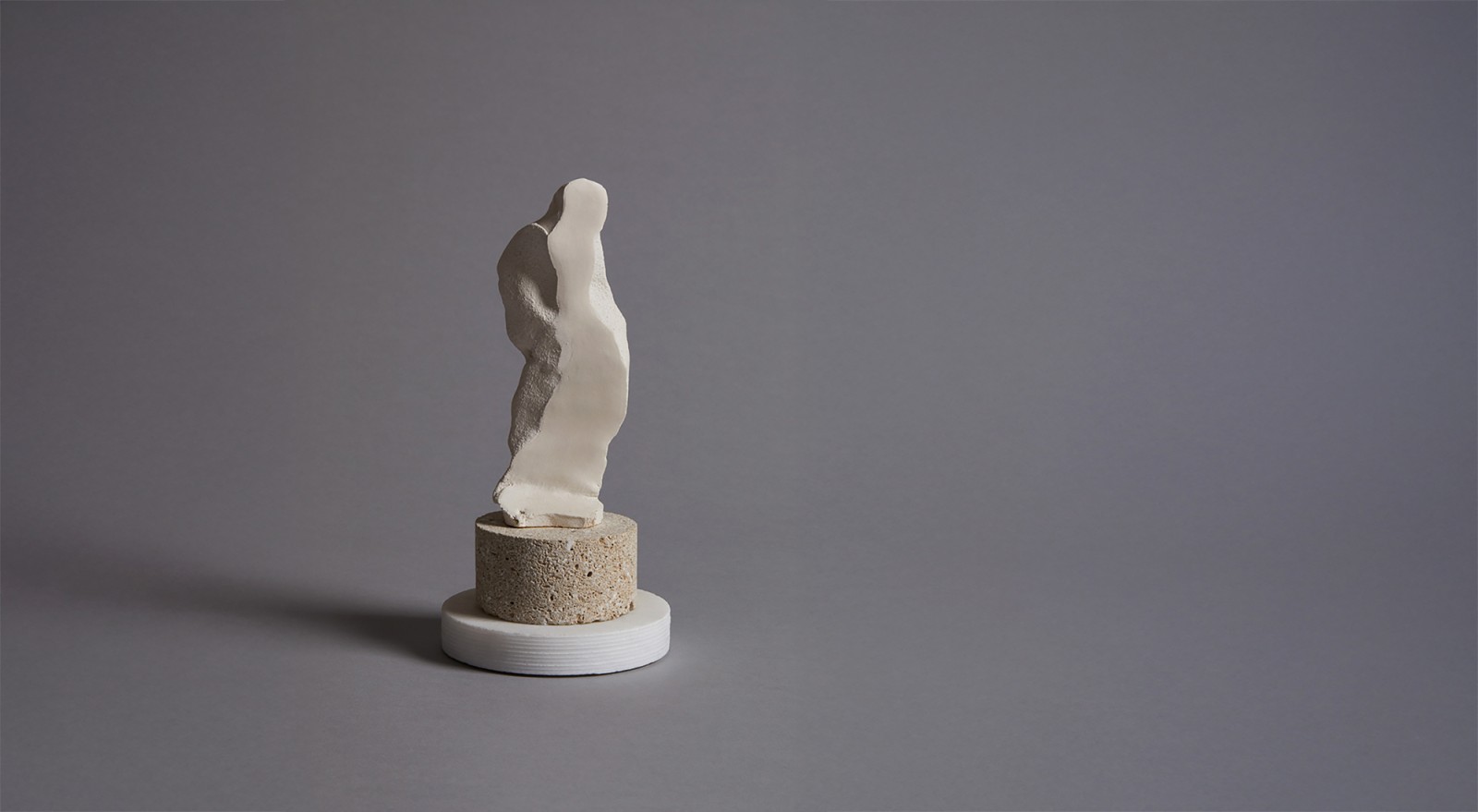
11: Psychopomp 015S22
selectively burnished stoneware, limestone, Pentellic marble 20.5 x 10 x 10 cm
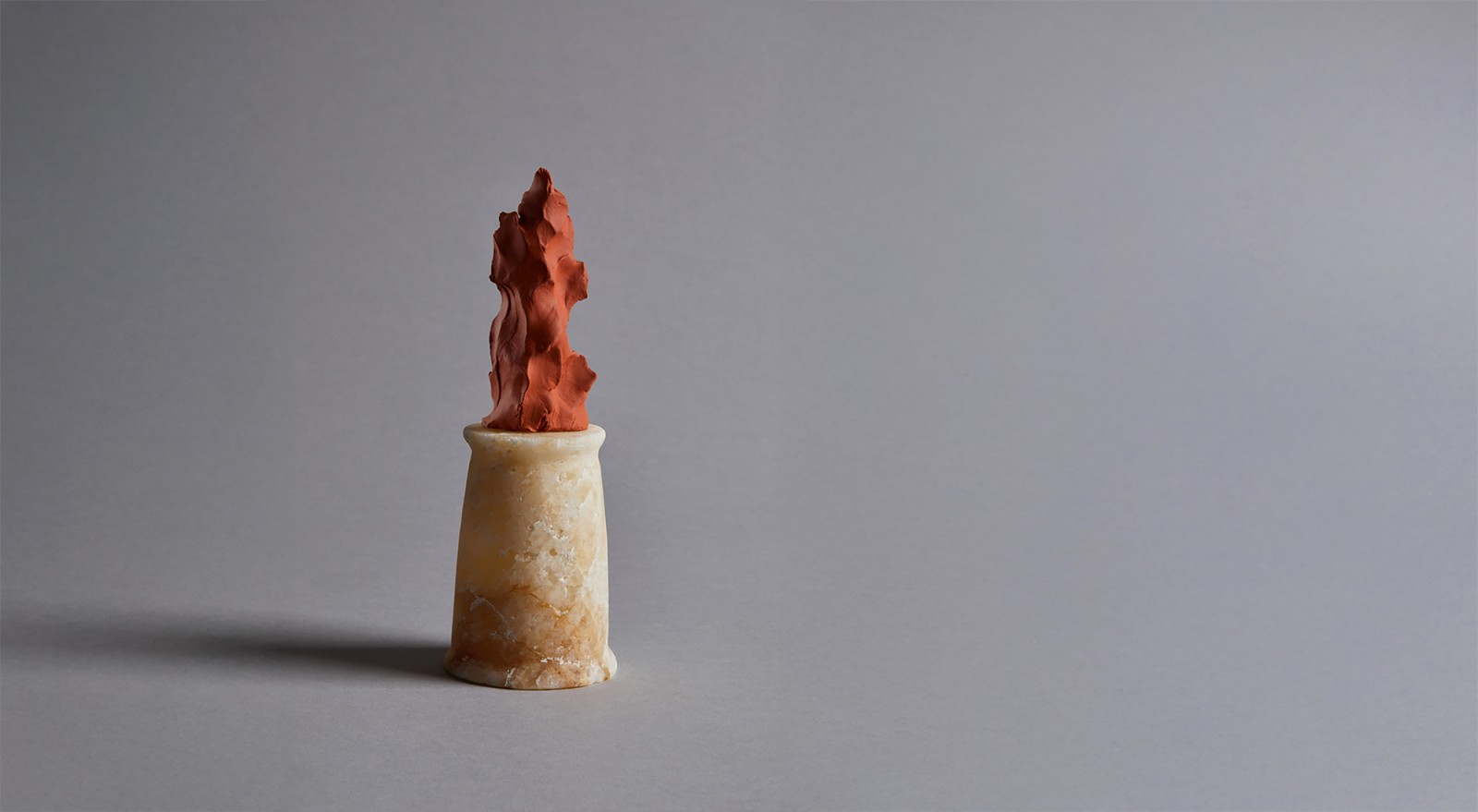
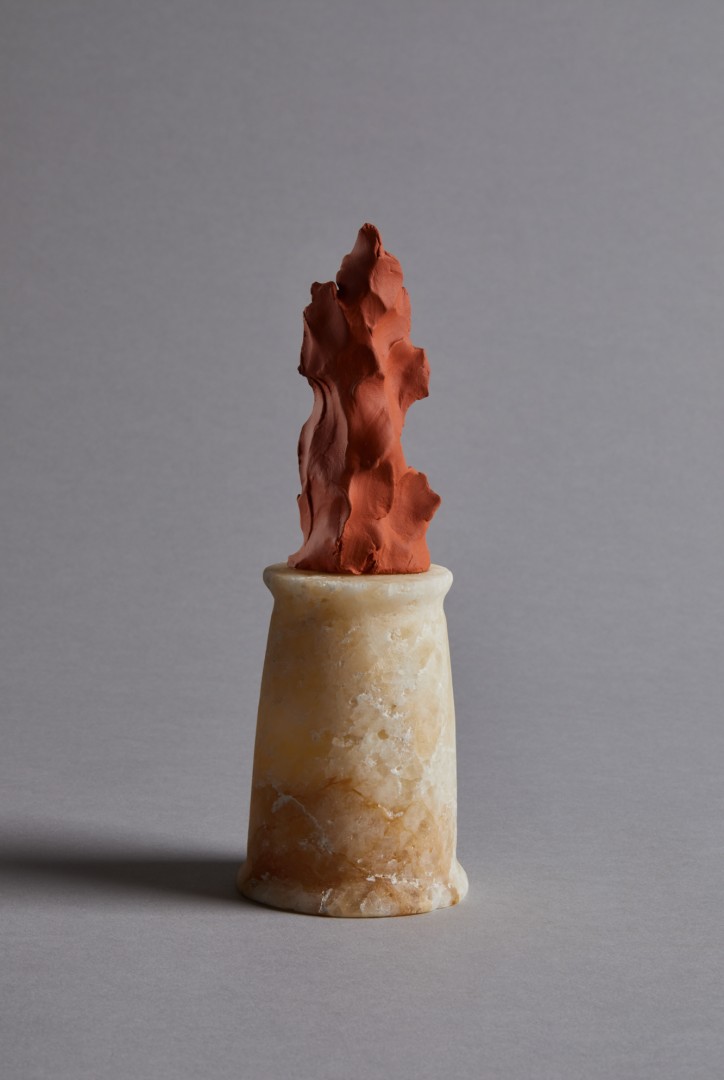
12: Psychopomp 016S22
selectively burnished terracotta, terra sigillata, alabaster 18.5 x 6.5 x 6.5 cm
13: Psychopomp 017S22
selectively burnished stoneware, blackened steel, marble aggregate concrete 23.5 x 12 x 12 cm
14: Psychopomp 018S22
selectively burnished stoneware, blackened steel, marble aggregate concrete 17 x 13 x 13 cm
Across many cultures, psychopomps are the liminal, transcendental, spirit-entities that without judgement meet and guide the souls of the recently deceased to the afterlife.
The term psychopomp - most often encountered in mythological, ritual and religious contexts - derives from the ancient Greek word psychopompós (ψυχοπομπός) a compound of psyche (ψυχή), meaning ‘soul’ or ‘spirit’, and pompos (πομπός), meaning ‘guide’ or ‘conductor’.
Hazewinkel’s ongoing corpus of psychopomps ( currently numbering approximately thirty-five) blends conceptions of ebodiment and transcedence with approaches to human and non-human figuration mingling our proprioceptive, lived-in understanding of our ephemeral bodies with the slippery ineffability of spirit realms.
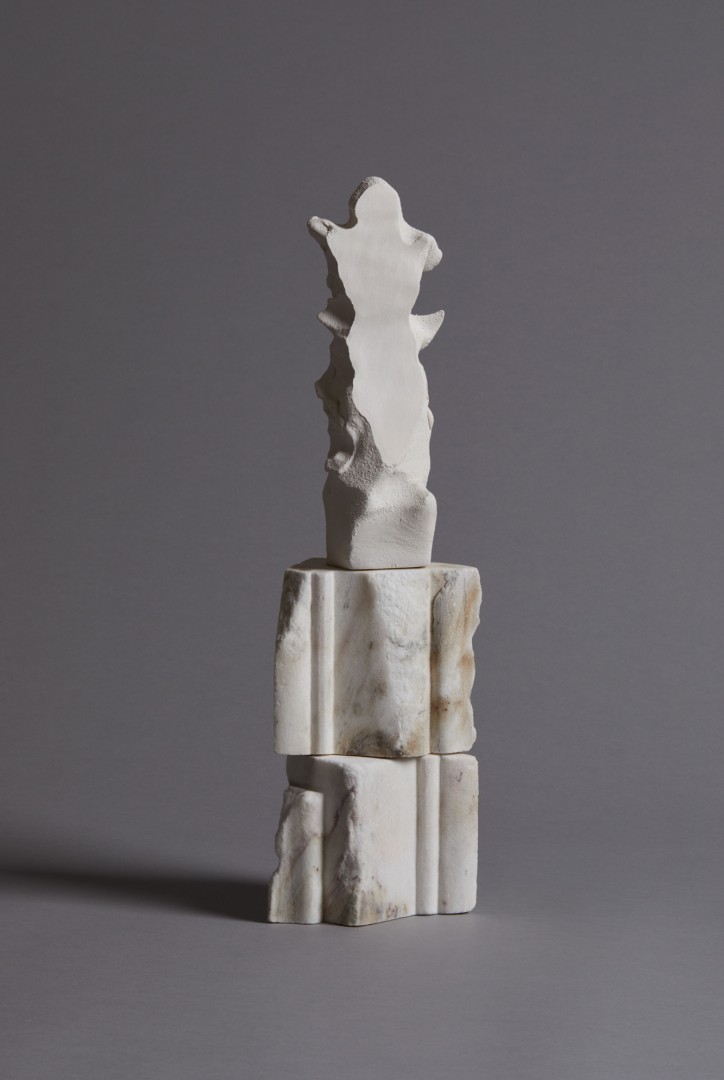
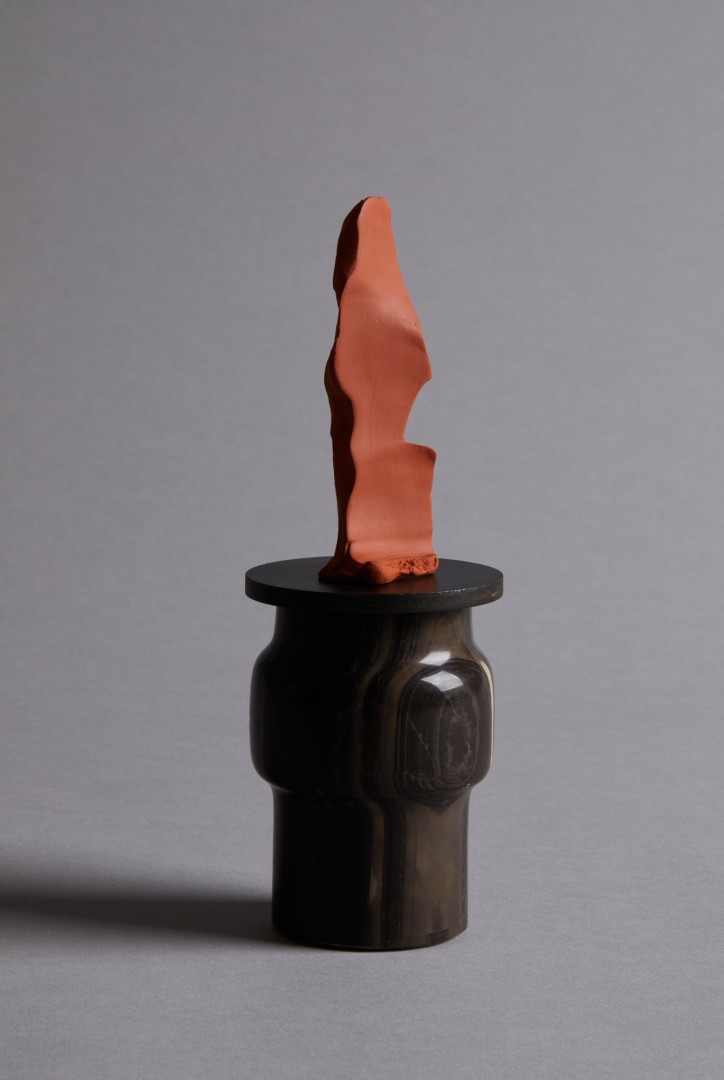
Photographed by Giorgos Vitsaropoulos
